
The 281 area code serves Greater Houston, Texas, and nearby communities, including Pasadena, Pearland, Sugar Land, and Baytown. It shares the region with 346, 713, 832, and 621, and uses Central Time. If you need a Houston-area business number, ask a provider about available numbers and plan how calls will reach your team. If you’re checking an unfamiliar call, remember that an area code alone cannot confirm who called or where they are now.
Key takeaways
- The 281 area code serves Greater Houston communities, including Houston, Pasadena, Pearland, Sugar Land, Baytown, League City, and The Woodlands.
- The Houston overlay group includes 281, 346, 713, 832, and 621; local calls require 10-digit dialing.
- Greater Houston observes Central Time, using CST during standard time and CDT during daylight saving time.
- A 281 prefix does not verify a caller’s identity or current location because people can keep numbers after moving and caller ID can be spoofed.
- Businesses can ask providers for an available 281 number, but an overlay code may be offered instead.
Where is the 281 area code?
The 281 area code serves Greater Houston and nearby communities in Texas. The numbering area includes Houston and suburbs such as Pasadena, Pearland, Baytown, Sugar Land, and The Woodlands, but its boundaries do not match county lines exactly. The North American Numbering Plan Administrator’s planning letter describes the Houston numbering area and names communities including League City, Missouri City, and Pearland.
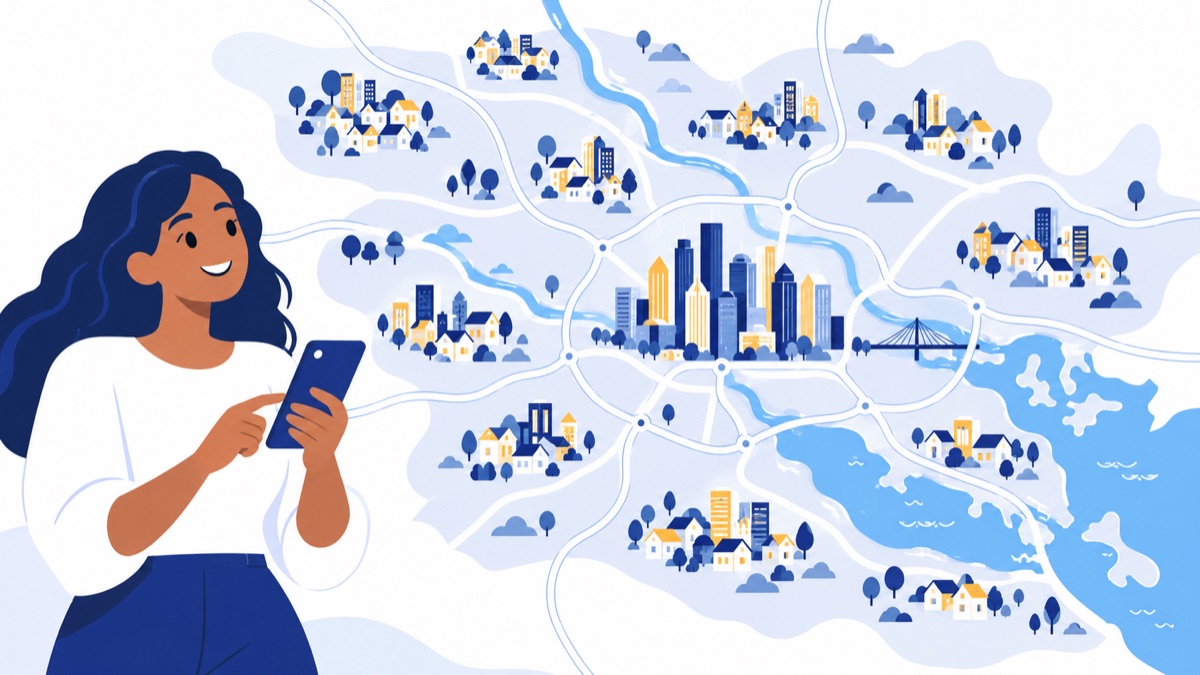
Cities and communities associated with 281
Representative communities associated with the 281 area code include:
- Houston
- Pasadena and Pearland
- Sugar Land and Missouri City
- Baytown
- League City
- Conroe, Spring, and The Woodlands
These are examples, not a street-by-street boundary map. In a region served by multiple area codes, neighbors and businesses can have different prefixes. Check the full phone number rather than assuming that every Houston-area line uses 281.
If you’re comparing regional number guides, see the coverage and business-use details for the 347 area code in New York City or the 702 area code in Las Vegas. These areas illustrate why knowing a city’s area code can help with context, but the prefix alone is not proof of a caller’s location.
Counties served in whole or in part
The Houston overlay area serves communities in parts of Harris, Fort Bend, Montgomery, Brazoria, Galveston, Liberty, Waller, and Chambers counties. An area code can cross county lines, and a county can contain communities assigned to different codes. Treat county lists as broad orientation rather than a guarantee that every address or phone line in the county uses 281.
What does a 281 prefix tell you?
A 281 phone number is associated with the Greater Houston numbering area. It does not establish where the owner lives or works today: people and businesses may keep or transfer their numbers when they move or switch providers. The number can also be displayed through caller ID even when the caller does not control it, so verify unexpected requests independently.
What time zone is area code 281 in?
The 281 area code is in Central Time because it serves Greater Houston, Texas. Houston uses Central Standard Time (CST) during standard time and Central Daylight Time (CDT) during daylight saving time. When scheduling a customer call from another state, include the time zone in the invitation and check the calendar date.
For a sales or support team, a time-zone check can prevent missed calls and poorly timed follow-ups. A team based on the East Coast, for example, should make clear whether a scheduled Houston call is at 10 a.m. Central or 10 a.m. Eastern. If your phone system supports business-hour routing, set those hours for the customer-facing team’s actual schedule.
What area codes overlay 281 in Houston?
The Houston overlay group includes 281, 346, 713, 832, and 621, which serve the same general geographic area. An overlay adds another area code to a region so new numbers can be assigned while existing numbers remain unchanged. The NANPA planning letter identifies 621 for the same geographic area and lists January 23, 2025, as the earliest date for activation of a new 621 central-office code.
Why Houston has several area codes
A region may add area codes as demand for phone numbers grows. Under an overlay, people living or working close to one another can have different area codes, and a new business number may use a code other than 281. That is why the area code does not reliably identify a specific Houston neighborhood.
If you are choosing a local number for a business, decide whether a specific prefix matters to customers or whether a Houston-area number is enough. Your provider can check current inventory, explain which overlay codes are available, and tell you whether the requested number can be selected.
Do you need to dial all 10 digits for a 281 number?
Yes. In the Houston overlay region, dial the area code plus the seven-digit local number for local calls. For example, dial 281-555-0123, not just 555-0123. Use the full 10-digit format for other local overlay numbers too.
Businesses should update printed materials, online listings, saved customer records, and staff instructions to use 10-digit numbers. If a customer-facing team still gives out a seven-digit number, callers may not reach the intended line. Test the number from another phone after setting up call routing or changing a published contact number.
Is a call from 281 legitimate? Scam-call basics
A call displaying a 281 number may be legitimate, but the prefix cannot authenticate the caller. Scammers can fake caller ID to make a call appear local; the Federal Trade Commission explains that a caller can be anywhere in the world. Verify the person or organization through a trusted contact method before sharing information or acting on a request.
Verify a caller safely
If someone claims to represent a bank, government agency, vendor, or customer, do not rely on the displayed number. Instead:
- Hang up if the caller pressures you to act immediately or the request feels suspicious.
- Find the organization’s official contact number independently, such as on a statement or its official website.
- Call that trusted number and ask whether the request is genuine.
- Do not share passwords, verification codes, or payment details with an unexpected caller.
A familiar-looking local number can be spoofed, and an unfamiliar number can be legitimate. Pay attention to what the caller asks you to do, especially when the request involves money, account access, or sensitive customer information.
For a business, give staff a consistent verification process. For example, employees can be instructed to end unexpected payment-change calls and confirm the change using a known vendor contact already on file. A short written procedure helps sales and support teams respond consistently without relying on caller ID.
Report unwanted calls
The FTC accepts reports about unwanted calls. Its guidance says you can provide the number shown on caller ID and any callback number the caller gave you. Report an unwanted or spoofed call to the FTC with those details when available. Keep notes about the date and nature of the call if they will help you describe what happened.
How can a business get a 281 phone number?
A business can ask a phone provider whether a 281 number is available, but inventory depends on the provider and the number requested. If a 281 number is unavailable, a provider may offer a different Houston overlay code. Before choosing, decide how customers should reach the right person and what should happen when the team is busy or closed.
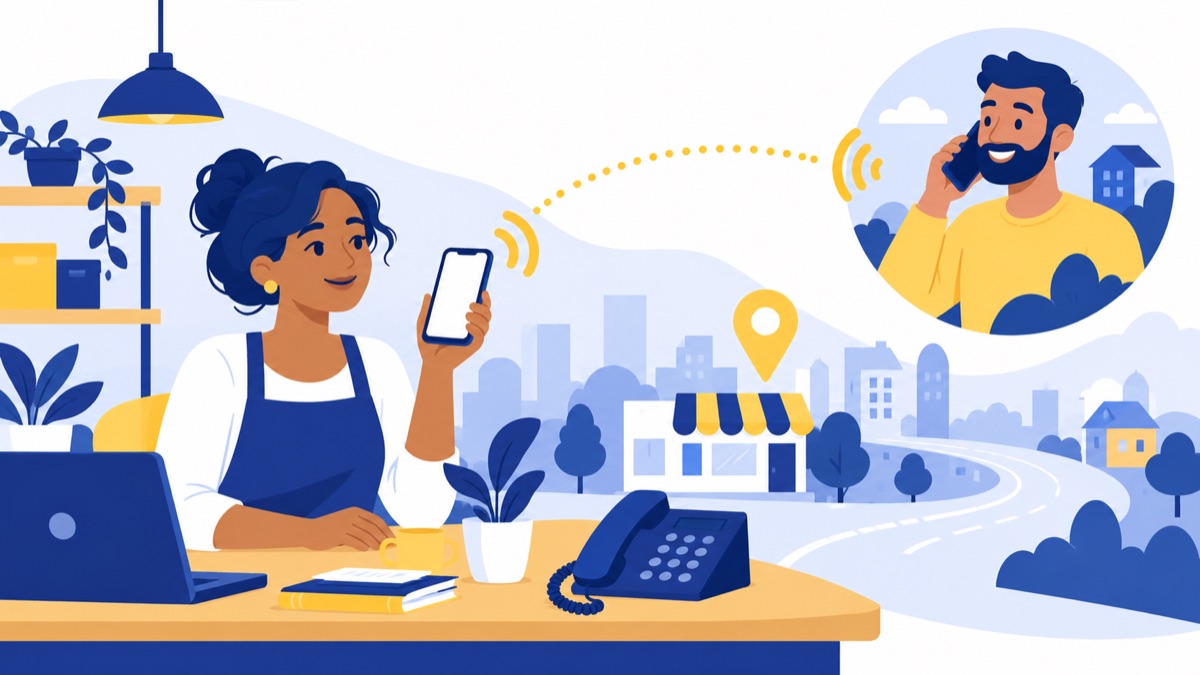
Check availability and plan call handling
Start by mapping the customer’s path from the first call to a useful next step. A small service company might send new inquiries to a sales queue, route existing customers to support, and send after-hours calls to voicemail. A clear greeting and fallback plan can keep callers from getting stuck when no one answers.
Use this checklist before publishing the number:
- Ask the provider to check for available 281 numbers and explain whether another Houston overlay code may be offered.
- Choose which users or teams can answer calls, and who handles calls when the first person is unavailable.
- Set up a greeting, menu, queue, voicemail, and business-hours routing that fit your team’s actual workflow.
- Test inbound calls, voicemail notifications, and business texts from another phone.
- Update your website, email signatures, business listings, and customer materials with the chosen 10-digit number.
A virtual phone system can let a team answer business calls through a shared setup rather than a single desk phone. Voicalyst offers a virtual phone system for browser-based business calling and IVR menus and call routing to direct callers to the right team. Teams that manage customer conversations in HubSpot can also review the HubSpot calling integration when planning setup.
A Houston-area number may help customers recognize a familiar regional prefix, but the number alone does not establish that your business has a local office. Describe your locations and service area accurately. For help comparing number choices and call setup, use this guide to local business phone numbers.
Should a business choose 281 or another Houston overlay code?
A business should choose an available number that customers can remember, staff can answer reliably, and the provider can support. If customers specifically recognize 281, ask whether one is available; otherwise, consider whether another Houston overlay number meets the same business need. Confirm the full number and routing plan before placing it on advertising or customer documents.
A local number can support a familiar contact experience, but it does not replace clear business identification. Make sure your greeting states the company name, your website lists accurate contact details, and staff can explain why they are calling. Those steps help customers evaluate a call on its merits instead of assuming that a local prefix proves identity.
Is 281 a country code? How do you call internationally?
No. The United States country calling code is +1, while 281 is a domestic area code for Greater Houston, Texas. To call a 281 number from abroad, dial +1 281 XXX XXXX, replacing the Xs with the subscriber’s seven-digit number. International dialing rules and charges depend on your carrier and where you are calling from.
For example, a Houston number with the local portion 555-0123 becomes +1 281 555 0123 in international format. The phrase “country code 281” is a common mix-up: +1 identifies the United States, and 281 identifies the regional numbering area. Check your carrier’s instructions if the plus-sign format is not accepted from your phone.
Frequently Asked Questions
The 281 area code FAQs below cover Houston-area coverage, keeping a number after moving, business-location assumptions, Central Time, and international dialing. Each answer distinguishes what the numbering information can tell you from what it cannot establish, so readers can apply the guidance to calls, business listings, and customer contact details.
Is 281 only Houston?
No. The 281 area code serves Houston and surrounding Greater Houston communities, including Pasadena, Pearland, Sugar Land, Baytown, and The Woodlands. Its coverage extends into parts of multiple counties, but area-code boundaries do not match county lines exactly. A 281 number identifies a numbering area, not the owner’s current location.
Can I keep a 281 number if I move?
Often, you can keep a phone number when you change providers or move, but transfer eligibility depends on the provider and circumstances. Number portability means a 281 number does not prove its owner still lives or works in Greater Houston. Ask your provider to confirm transfer eligibility before switching service.
Does a 281 number guarantee a business is in Houston?
No. A business can use a Greater Houston number without having a physical office there, and caller ID can be spoofed to display a number the caller does not control. Verify a company through its official website or a trusted number you find independently before sharing information or sending payment.
What time zone is the 281 area code in?
The 281 area code serves Greater Houston, which observes Central Time. The region uses Central Standard Time (CST) during standard time and Central Daylight Time (CDT) during daylight saving time. When arranging calls across time zones, check the date and the local business hours of the person you are calling.
What is the country code for a 281 phone number?
The United States country calling code is +1; 281 is a Texas area code, not a country code. From abroad, dial +1, then 281 and the seven-digit local number, such as +1 281 555 0123. Your carrier’s international dialing rules and charges may vary.